


Consumer Reports Warns Against Ride Sharing
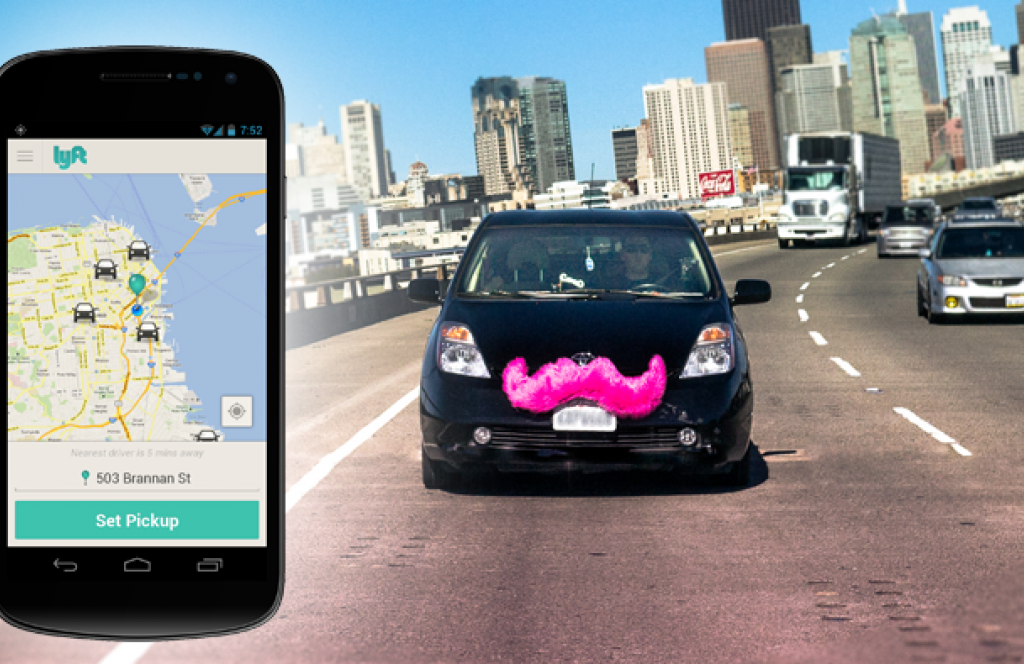
Reminds Hack Drivers that operating without proper insurance could void their insurance plan and risk their coverage.
So-called “transportation network companies,” or TNCs, including Lyft, Uber, and Sidecar, have sprung up in cities across the U.S., from Atlanta, Boston, Charlotte, N.C., and Washington, D.C., to Chicago, Dallas, Seattle, and San Diego.
Riders make “donations” using their Lyft app, for example, which then pays 80 percent to the “community driver” by depositing earnings directly into his or her bank account each week. If a rider “forgets” to make his donation, Lyft extracts the “suggested” fare anyway by charging his associated credit card.
Using your own car as a taxi for hire via a smart-phone app—such as a Lyft or SideCar might seem like a great idea that is environmentally green and has the potential to add the other kind of green to your wallet. Unfortunately, hack drivers beware:
Your personal auto insurance might not cover you or your car if you have an accident while you’re working at this avocation.
TNC drivers risk losing a bundle on their road to taxicab riches (not that we’ve ever met any millionaire cab drivers): That million-dollar excess liability insurance covers passengers, pedestrians, other cars, and property, but it doesn’t cover injuries suffered by the driver or damage to his or her car-cum-cab if there’s an accident.
Most standard personal auto insurance policies contain a livery exclusion, which doesn’t cover losses that occur while you’re operating the vehicle to drive paying passengers, according to the California Department of Insurance.
“These TNCs are really a commercial endeavor,” says Robert Passmore, senior director of personal lines policy at the Property Casualty Insurers Association of America, a national trade group.
Lyft’s website says its excess liability insurance is designed to cover liability “for property damage and bodily injury of passengers and/or third parties,” but the first party—the driver—is not mentioned. Too, liability insurance is only one type of coverage. There’s no mention here of collision or comprehensive coverage, which would protect the driver’s vehicle in a crash or from vandals; personal injury protection or medical payments coverage, which can cover driver injuries; or uninsured/underinsured motorist insurance, which would cover damage to the driver’s vehicle caused by another driver who doesn’t have enough or any liability insurance.
If you’re a TNC driver or thinking about becoming one, you’re obligated to report that use of your vehicle to your insurer. (Remember that question on the insurance application about whether you use your car for business, pleasure, or commuting? The correct answer for TNC drivers is “business.”)
If you don’t tell your insurer about your sideline taxi business and subsequently suffer a TNC-related loss, the insurer is likely to find out and may not pay your claim. Worse, your insurer might cancel or not renew your policy.
Meanwhile, The New York Times reported today that Uber is dealing with its own unanticipated liability issues, including a lawsuit alleging that an Uber driver was responsible for the wrongful death of 6-year-old Sophia Liu in San Francisco last New Year’s Eve.
So check with your insurer now, before there’s trouble. You’ll probably be advised to purchase a commercial auto insurance policy, which can be significantly more expensive than personal coverage. That necessary cost of doing business should be figured into your calculation to determine whether being a TNC driver really is the no-cost easy money proposition that the app developers lead drivers to believe it is.
 American Coach Limousine,
